
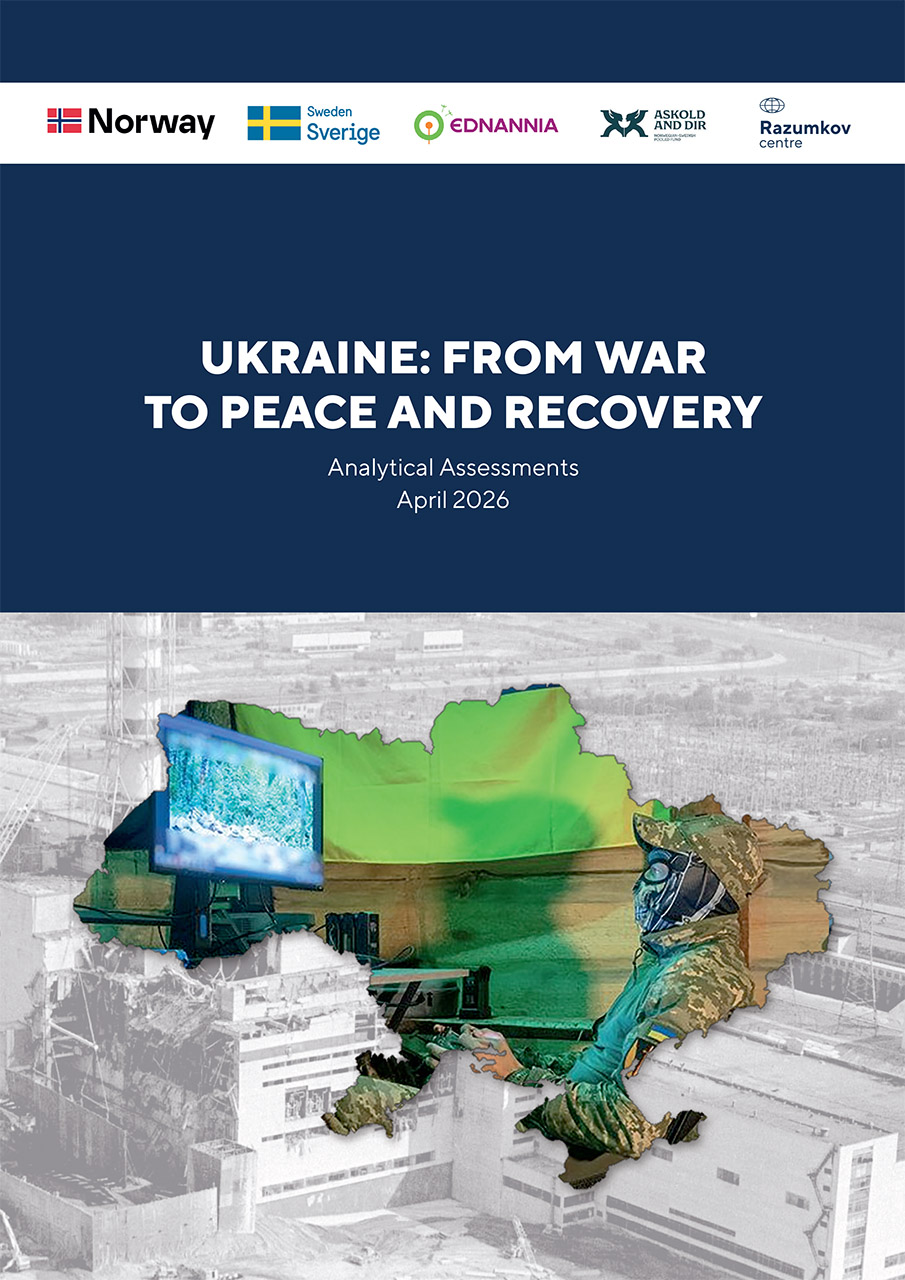
Ukraine: From War To Peace and Recovery (April 2026)
In April 2026, the russia-Ukraine war continued to see intense fighting across the theatre of operations. At the same time, the pace of russian advances continued to slow, while tactical changes along the front line had little impact on the overall strategic situation.
The russian-US-Ukrainian negotiation track remained effectively deadlocked due to the continued incomapatibility of the parties’ positions and Donald Trump’s failure to propose any new approach to ending the war beyond accepting putin’s ultimatums.
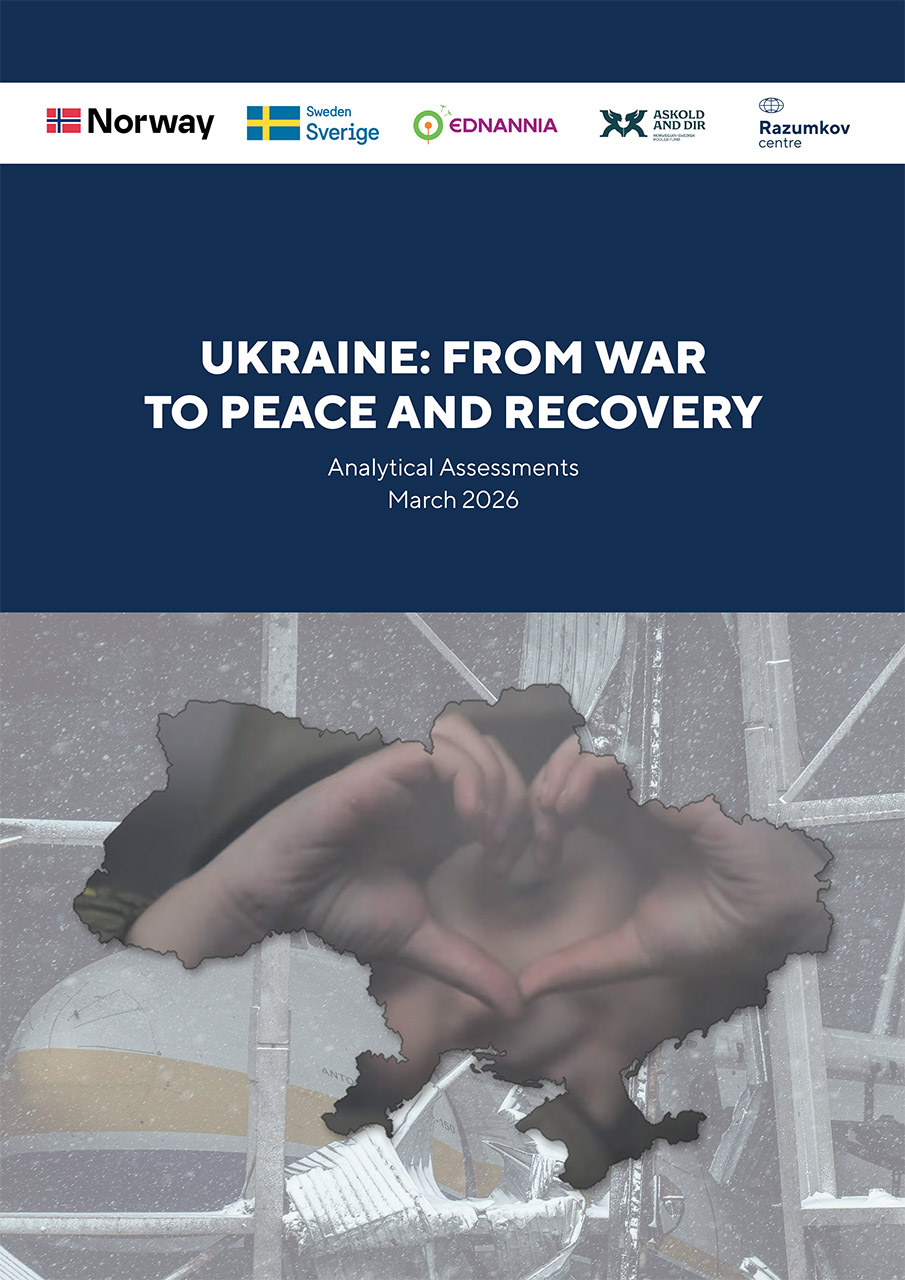
Ukraine: From War To Peace and Recovery (March 2026)
In February 2026, four years have passed since the start of russia’s full-scale aggression against Ukraine, and twelve years since the beginning of its invasion. Back in February–March 2022, even leading international policymakers, military leaders and experts — not to mention russian “strategists” — could scarcely have anticipated a war lasting years, now entering its fifth year with no clear end date or settlement framework.
The United States-Israel military operation against Iran, launched on the last day of February 2026, is likely to have a significant — and potentially mixed — impact on the course of the russia–Ukraine war, depending on its duration and outcome. The central strategic question is how serious the consequences for Kyiv will be, and to what extent russia can minimise its risks while capitalising on the global security and energy crisis.
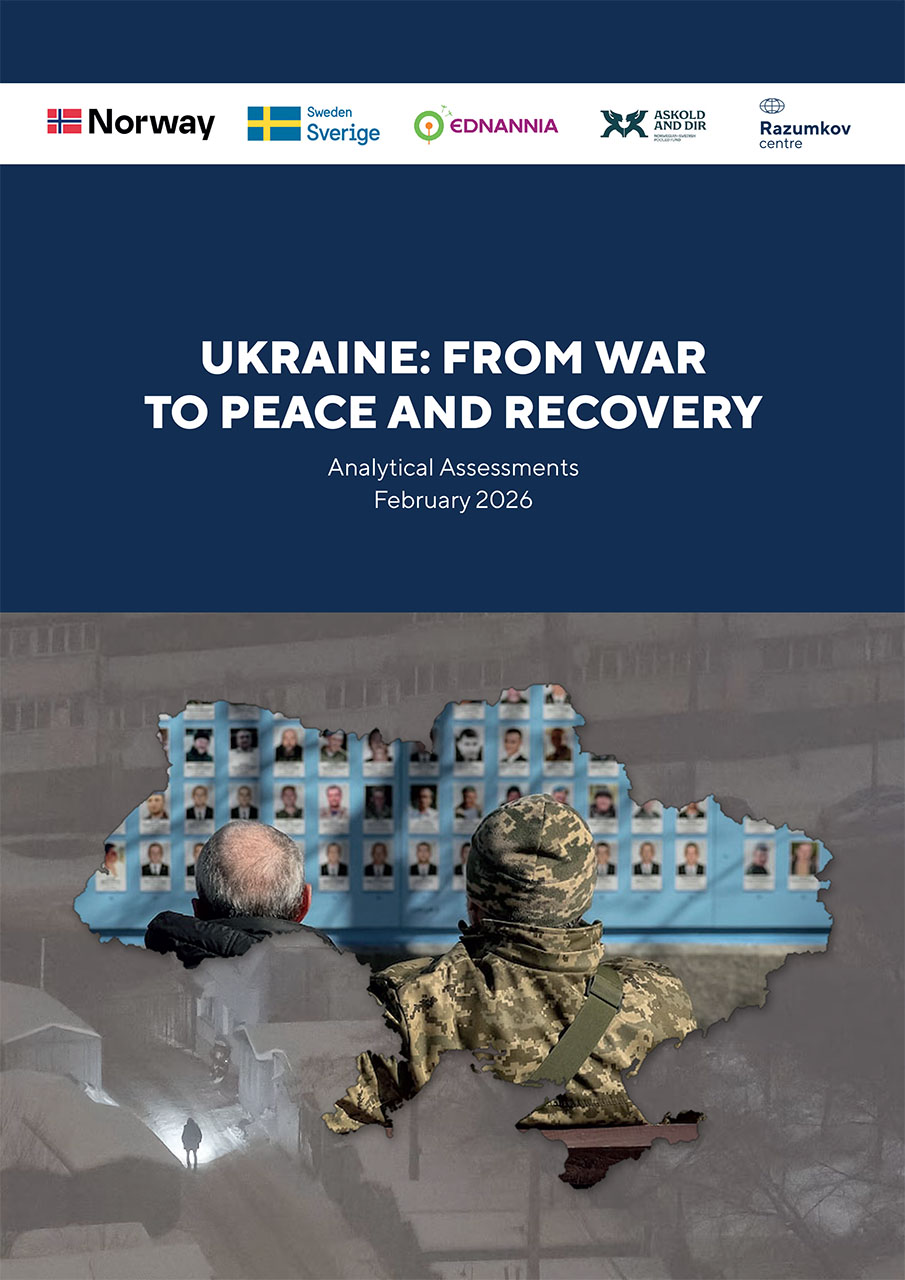
Ukraine: From War To Peace and Recovery (February 2026)
In February 2026, four years have passed since the start of russia’s full-scale aggression against Ukraine, and twelve years since the beginning of its invasion. Back in February–March 2022, even leading international policymakers, military leaders and experts — not to mention russian “strategists” — could scarcely have anticipated a war lasting years, now entering its fifth year with no clear end date or settlement framework.
The United States-Israel military operation against Iran, launched on the last day of February 2026, is likely to have a significant — and potentially mixed — impact on the course of the russia–Ukraine war, depending on its duration and outcome. The central strategic question is how serious the consequences for Kyiv will be, and to what extent russia can minimise its risks while capitalising on the global security and energy crisis.
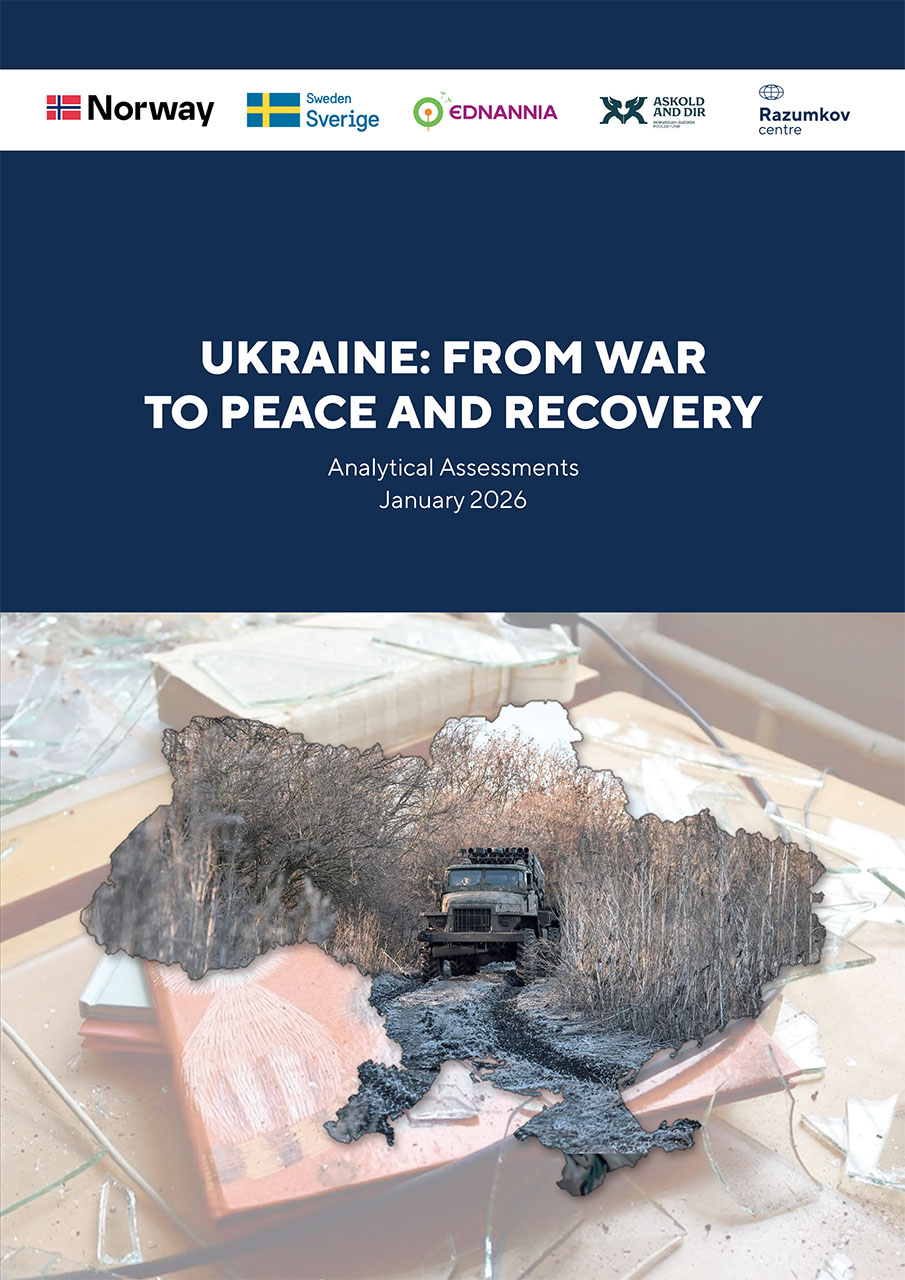
Ukraine: From War To Peace and Recovery (January 2026)
The main developments reported in international media in January 2026 were the first meeting since the start of the war between the Ukrainian, US and russian delegations, as well as the energy collapse in Ukrainian cities caused by russian strikes. Reports from the theatre of war had become almost routine, given the largely tactical scale of changes along the contact line, despite the still considerable intensity of hostilities.
US President Donald Trump continued to shock the world with his decisions and statements throughout January 2026 (Venezuela, Greenland, Iran), diverting international attention away from the russia-Ukraine war and exerting an ambiguous impact on its course and prospects for resolution.
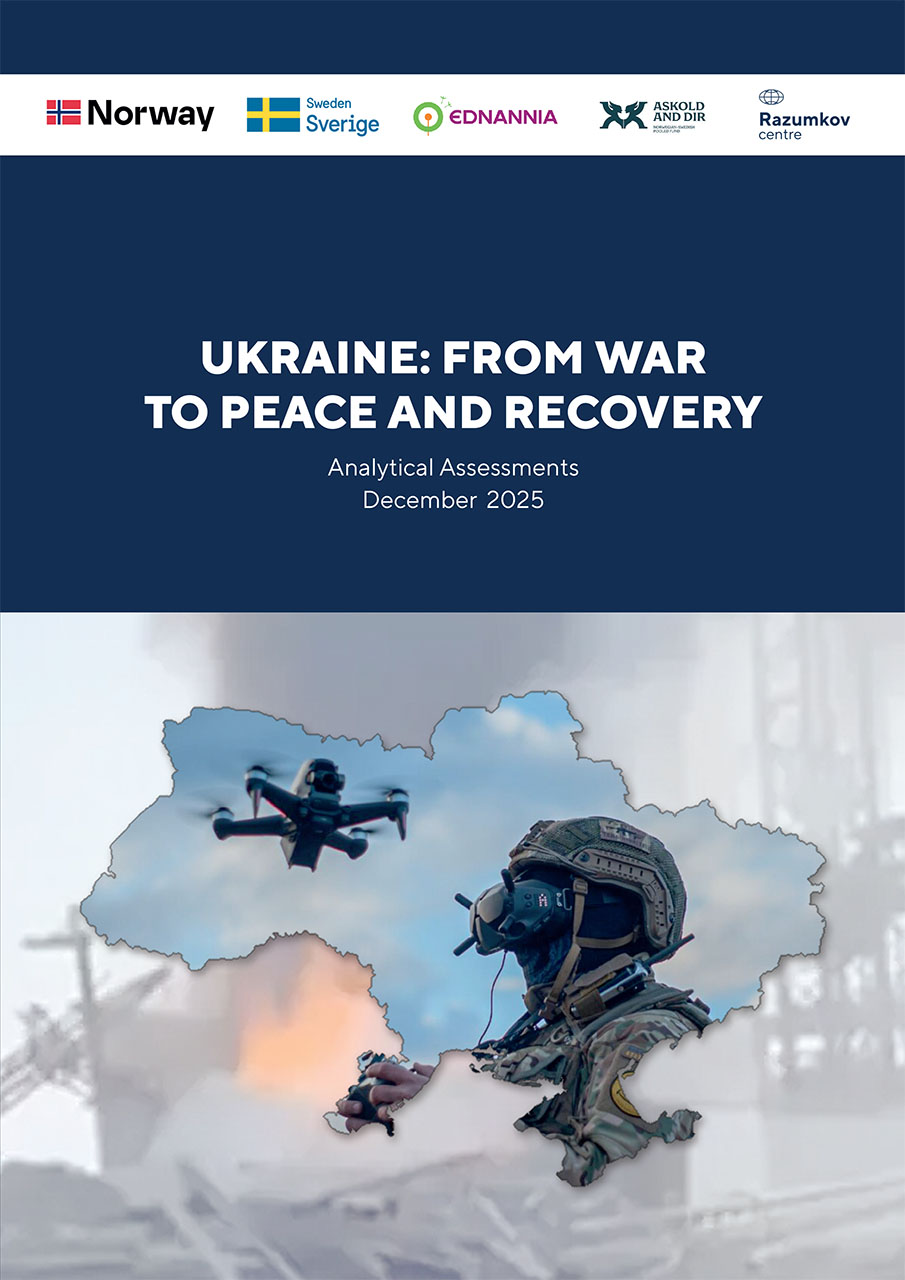
Ukraine: From War To Peace and Recovery (December 2025)
The abnormally high intensity of offensive operations by russian forces in December 2025 — unusual for the winter period — did not fundamentally change the strategic situation in the theatre of war. The key driver sustaining operational momentum on the russian side was evidently the need to support putin’s narrative of an unstoppable and victorious russian advance as an argument underpinning russia’s negotiating position.

Ukraine: From War To Peace and Recovery (November 2025)
Throughout November 2025, Ukraine was at the epicentre of a “perfect storm” when adverse external and internal political factors simultaneously compounded an already difficult situation, significantly amplifying the overall negative effect. Against the backdrop of the enemy’s largest advance on the front since November 2024, a large-scale corruption scandal erupted, dealing a heavy blow to Ukraine’s international image and internal socio-political stability. The White House initiated another round of coercing Ukraine into peace, shattering the cautiously optimistic assessments of the Trump administration’s rhetoric and actions in October, which were interpreted as signs of a shift from “attractive offers” to coercive pressure on Putin to seek peace.
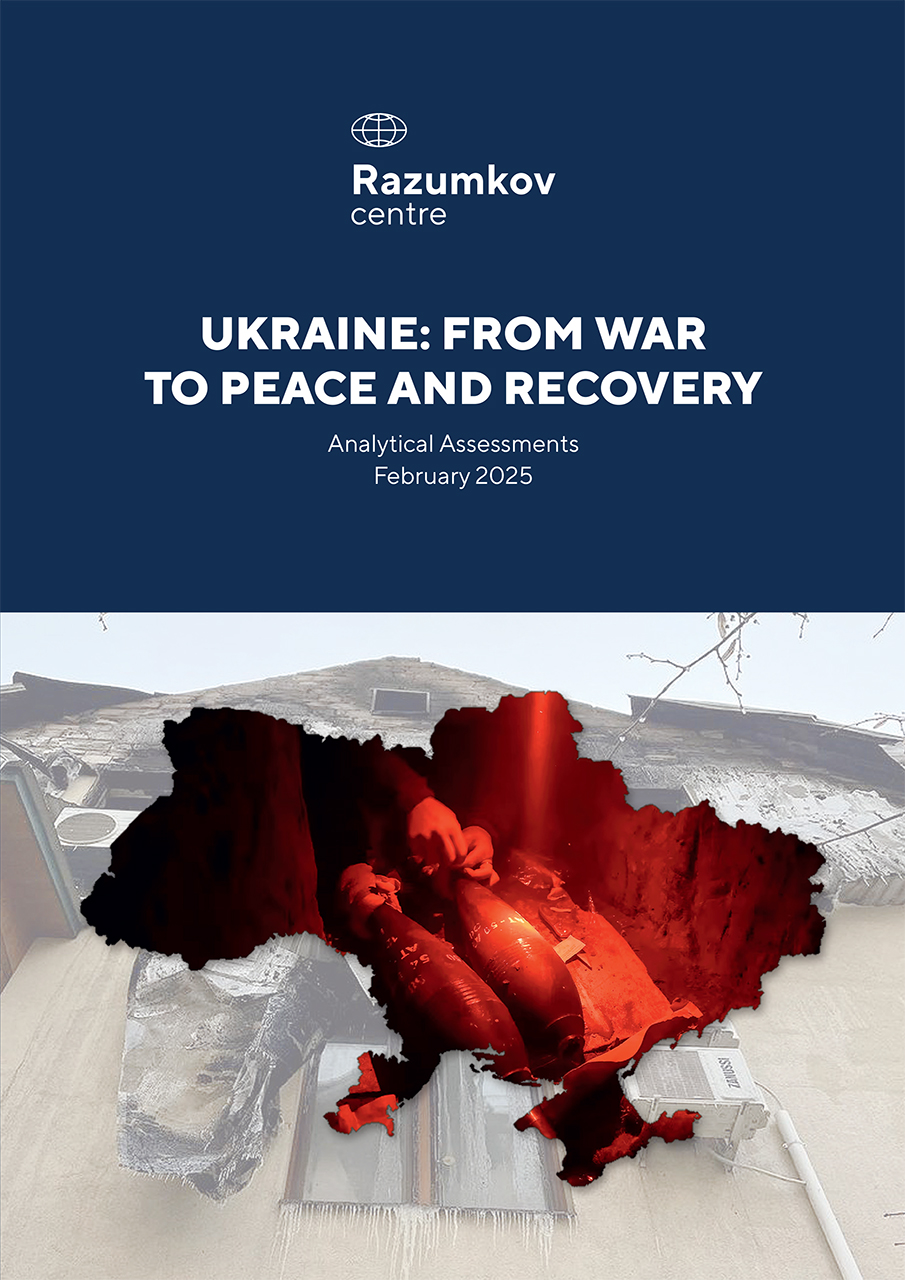
Ukraine: From War To Peace and Recovery (February 2025)
On 24 February 2022, russia launched its full-scale armed aggression against Ukraine. The so-called “special military operation”, which, as Putin planned, was meant to end in a matter of days, has evolved into a protracted war of attrition that lasts for the fourth year and counting.
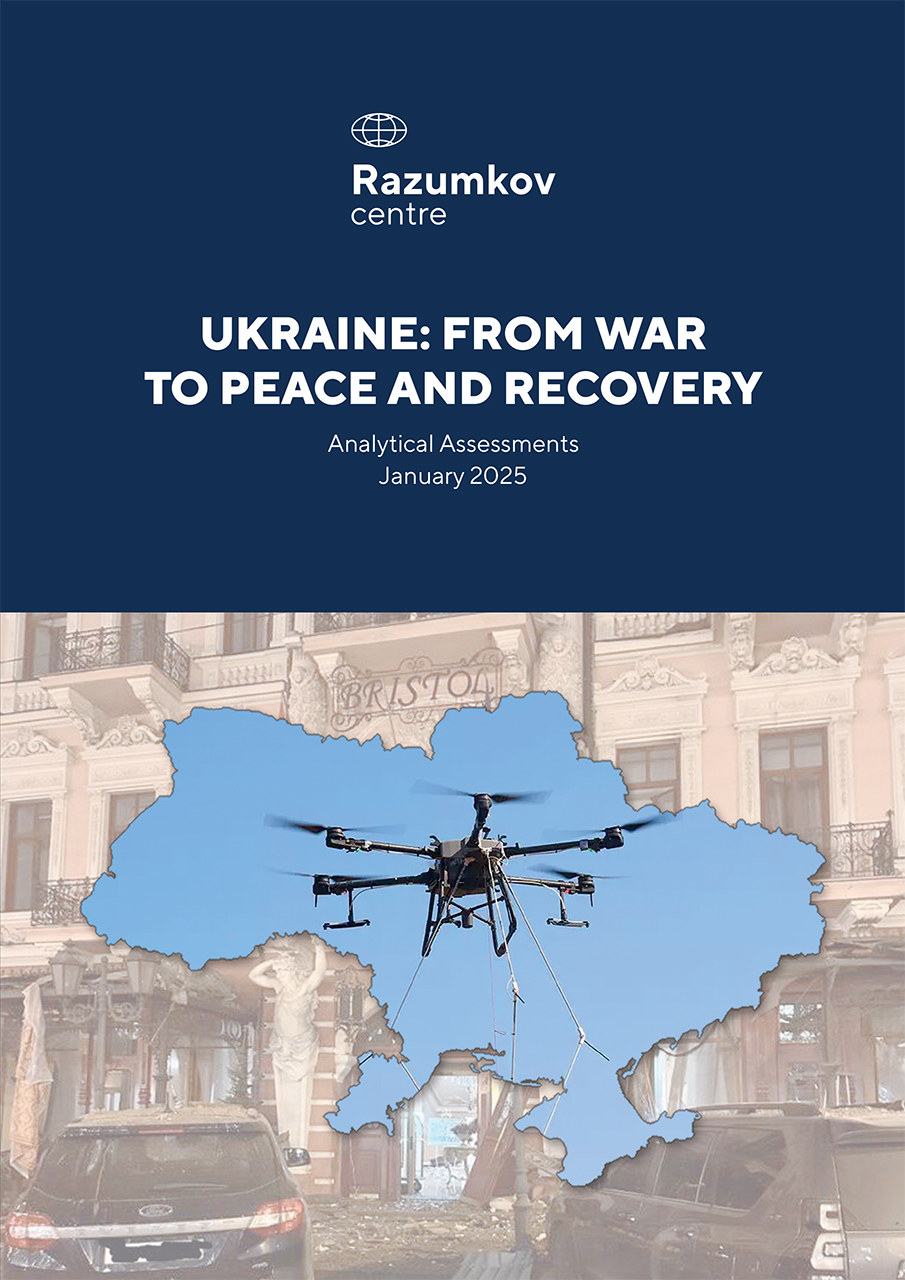
Ukraine: From War To Peace and Recovery (January 2025)
Intense hostilities continued throughout January 2025, but the overall situation and main trends in the conflict did not change much compared to previous months. Despite its nonstop “creeping offensive” for almost 15 months, the russian military command achieved neither an operational breakthrough nor the minimum goals of reaching the administrative borders of Donetsk oblast and ousting Ukrainian forces from Kursk region.
After taking office as the newly elected US President, Donald Trump set a new 100-day horizon for ending the Russia-Ukraine war, but there is nothing but guesswork about the new administration’s steps to force russia to compromise.

Ukraine: From War To Peace and Recovery (December 2024)
In December 2024, the main trends in the conflict that had emerged in the previous months persisted. Political factors that fuelled the high intensity of hostilities clearly prevailed over seasonal factors and military expediency. On some days in December, up to 250 combat engagements were recorded, most of which taking place at the Pokrovsk, Kupiansk and Kurakhove directions and in the Kursk operation area. Looking back on the last month and 2024 in general, it is clear that the changes along the contact line and the expansion of the theatre of operation haven’t changed the current phase of the “war of attrition” and the overall situation of a strategic “deadlock”.
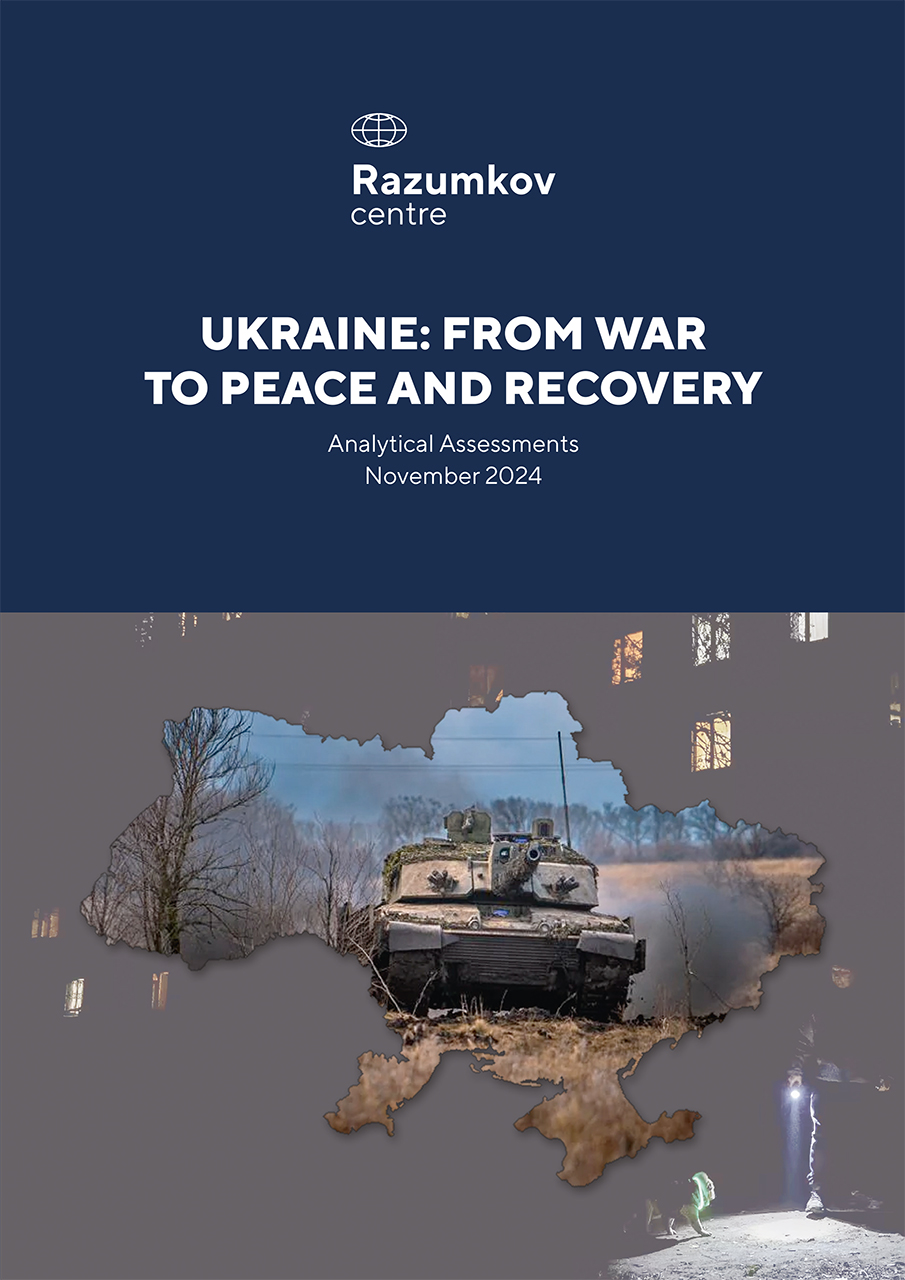
Ukraine: From War To Peace and Recovery (November 2024)
In November 2024, the Russia-Ukraine war escalated to another, qualitatively new level. During the month, russia’s military and political leadership further intensified offensive actions on the frontline and engaged in unprecedented nuclear blackmail. Immediately after approving the updated nuclear doctrine, which expands the list of scenarios for the use of nuclear weapons, Putin ordered a strike on Ukraine with a strategic ballistic missile carrier. The goal of the russian side seems to be seizing as much territory as possible and making significant changes in the theatre of operations before the likely start of negotiations after the inauguration of President Trump. Additionally, there were reports of possible involvement of russian special services in a series of sabotage attacks across Europe.
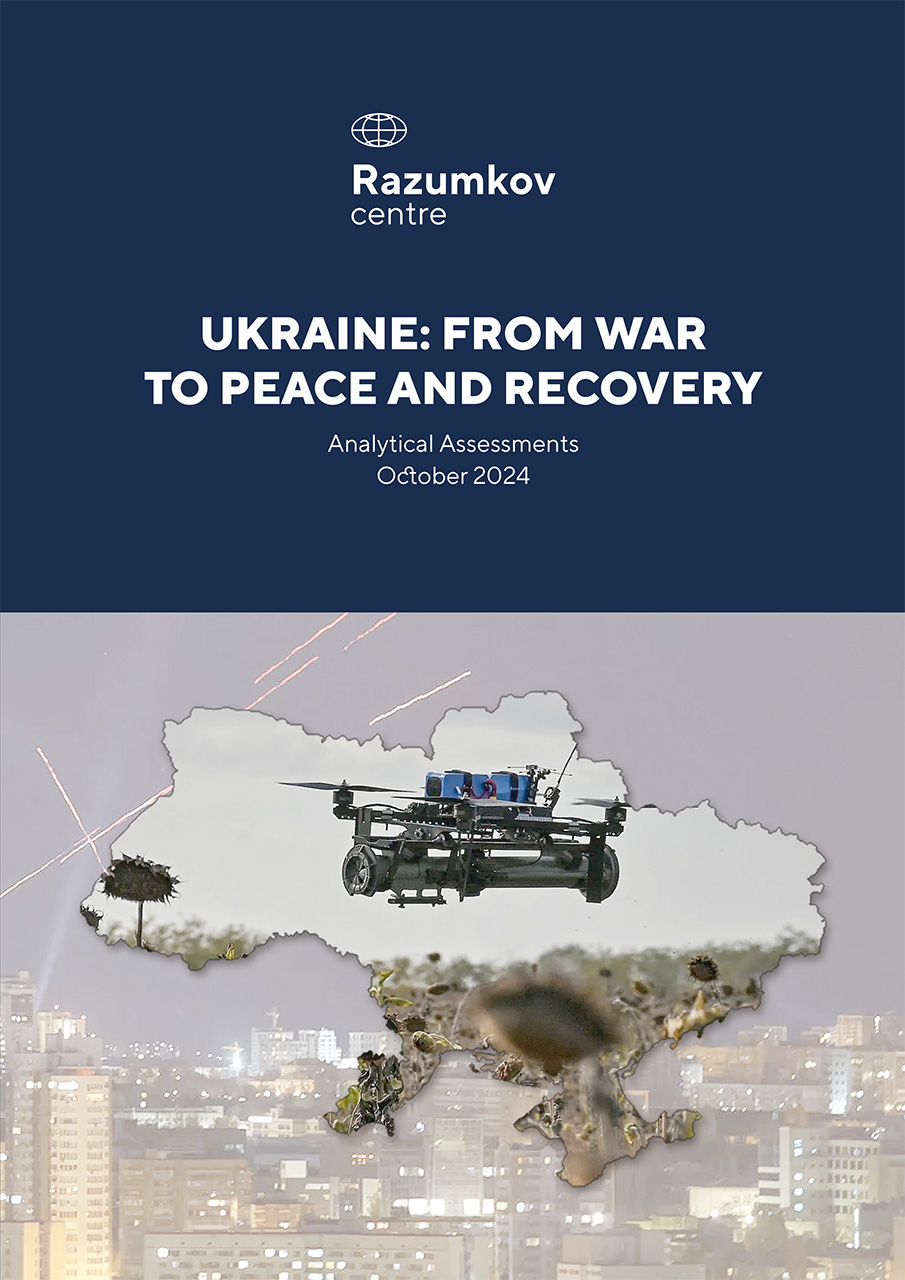
Ukraine: From War To Peace and Recovery (October 2024)
In October 2024, the high intensity of hostilities and the main recent trends in the ongoing conflict remained unchanged. The Russian side maintained the upper hand in most land battles, gaining significant territorial victories. However, these successes were mainly tactical and political in nature and did not alter the overall military-strategic situation or the nature of the war of attrition.
Ukraine: From War To Peace and Recovery (September 2024)
September 2024 was one of the hottest months of the war, both on the battlefield and on the diplomatic fronts. The political factor played an increasingly significant role in escalating hostilities, influenced by domestic socio-political and economic processes, foreign policy dynamics, and hopes for potential peace talks.
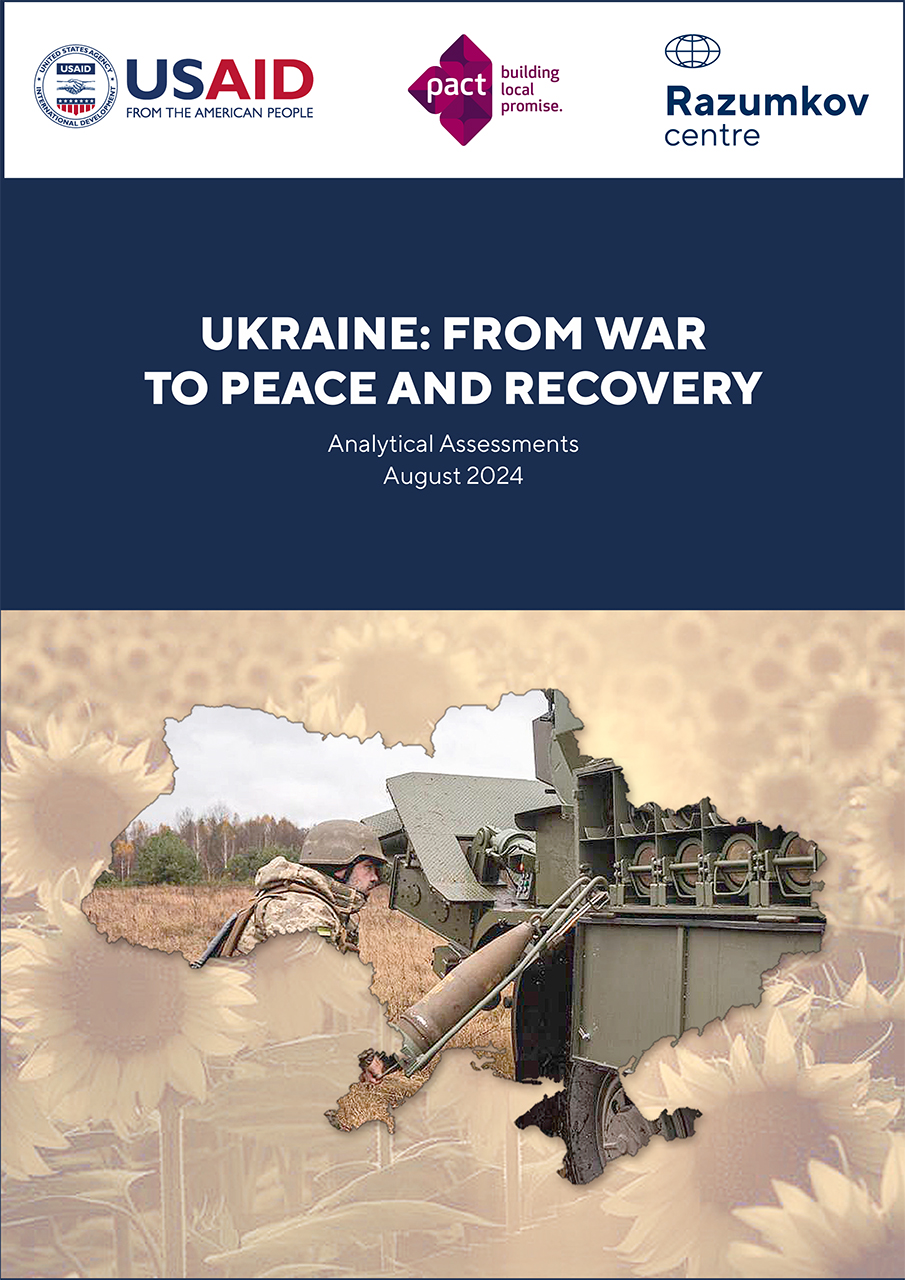
Ukraine: From War To Peace and Recovery (August 2024)
August 2024 ushered in a brand-new phase of the Russia-Ukraine war. The Ukrainian defence forces operation in the russia’s Kursk region came as a total surprise not only to the general public, various experts and governments of partner countries, but also to russia’s military and political leadership. Given Kyiv’s scarce and fragmented comments, it is difficult to objectively assess the degree to which the Kursk operation achieved its goals, but its operational results and international resonance suggest a possible strategic impact on the further course of the war. Currently, opinions differ on the expediency and effec-tiveness of the ground operation on russian territory and the prospects for its course. However, irrespective of future developments in the Kursk operation zone, the operation is obviously more significant than just regular episode of the war and could become a turning point in the Russia-Ukraine war if successful and combined with other asymmetric actions.
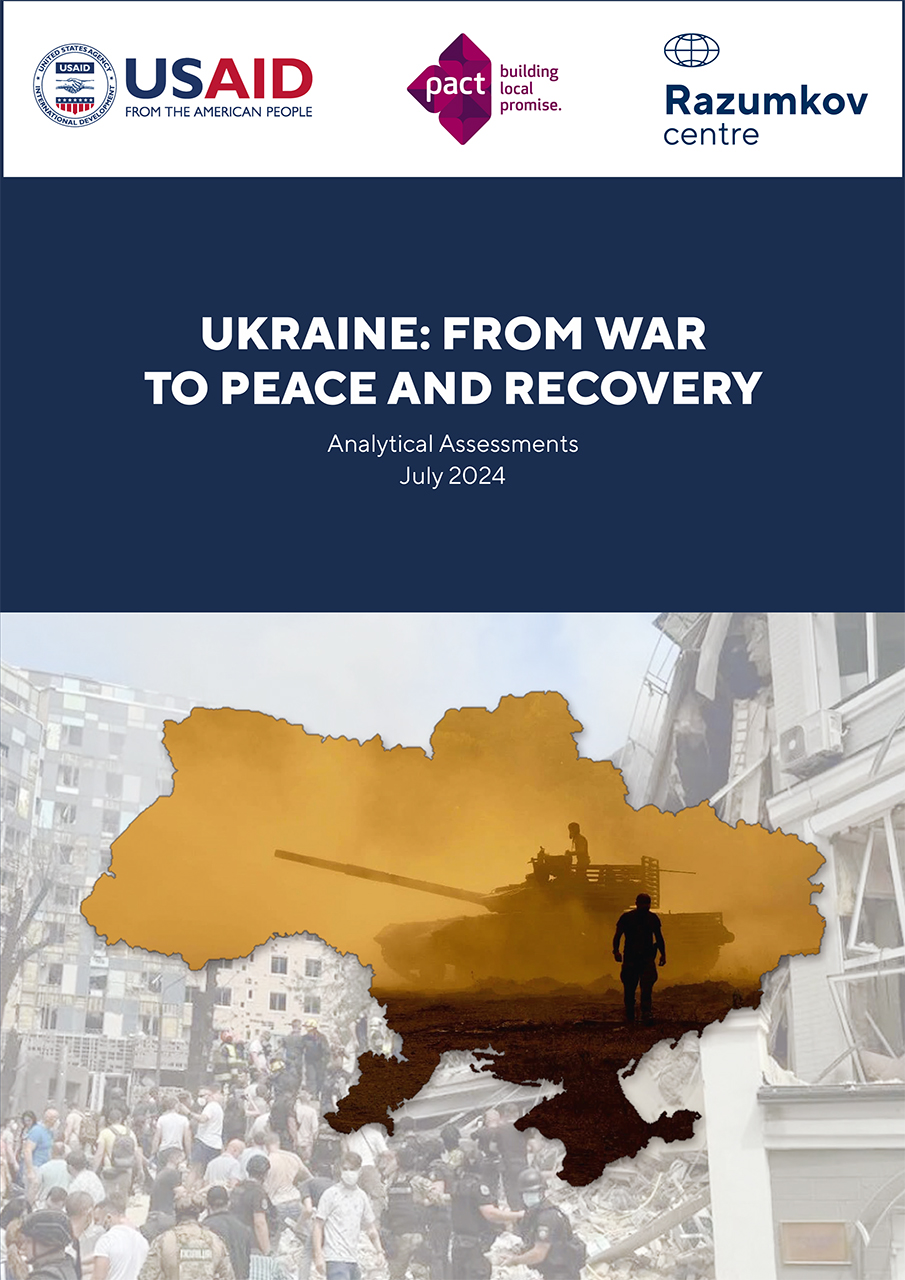
Ukraine: From War To Peace and Recovery (June 2024)
July 2024 marked the third consecutive month of the fiercest fighting in the Russia-Ukraine war, given the reports of enemy losses in manpower and equipment. The Russian military leadership, driven by favourable weather conditions and political factors, launched offensive operations without considering the proportion of resources expended and results achieved. The Ukrainian defence forces were able to prevent the worst-case scenario — a breakthrough of the front — but did not stop the enemy’s continuous progress.
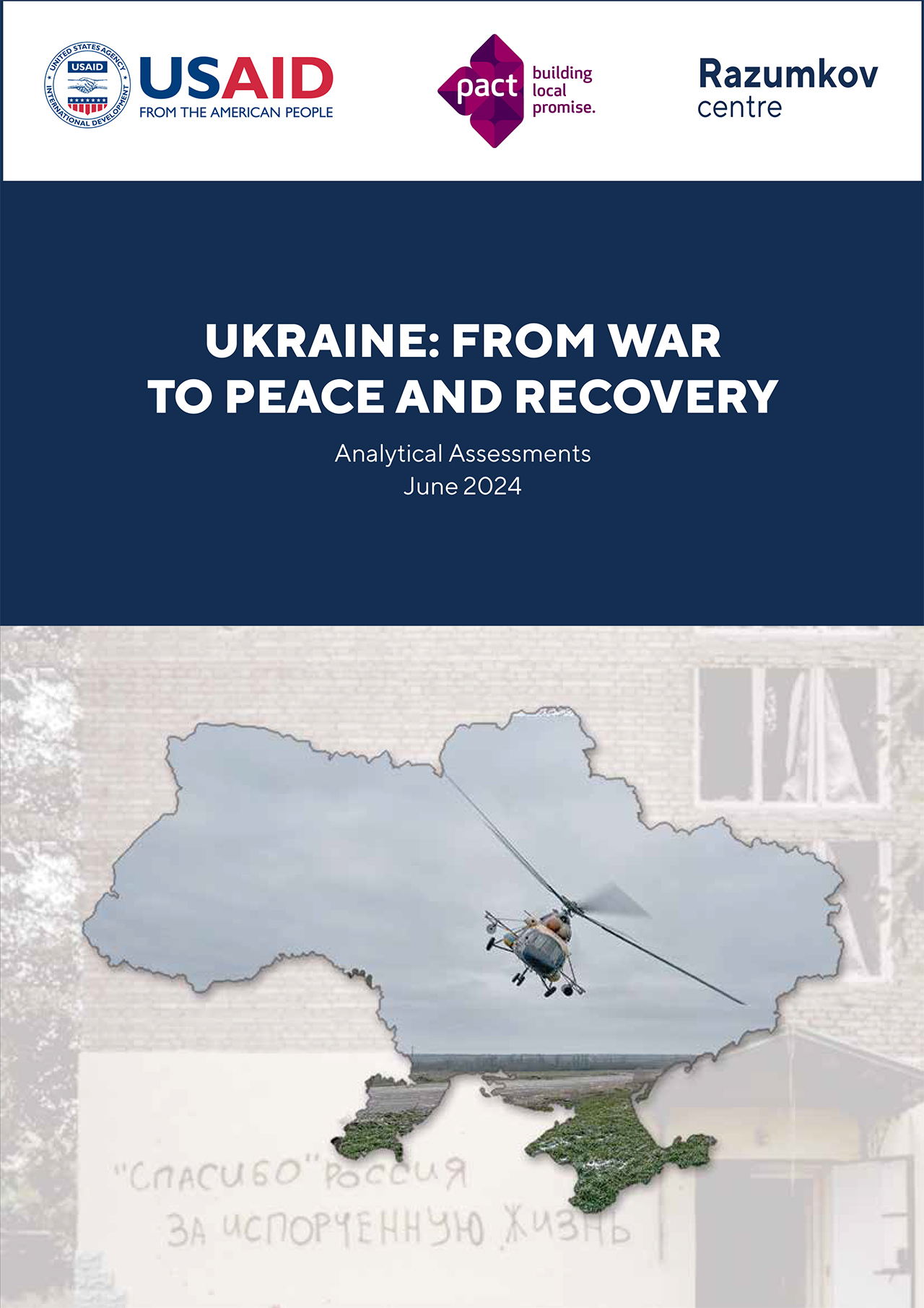
Ukraine: From War To Peace and Recovery (June 2024)
In June 2024, hostilities of varying intensity continued along the entire frontline, with the most intense situation in the northern and eastern sections, where russian troops concentrated their main offensive efforts in an attempt to take advantage of the delays in external military assistance to Ukraine and problems with mobilisation.
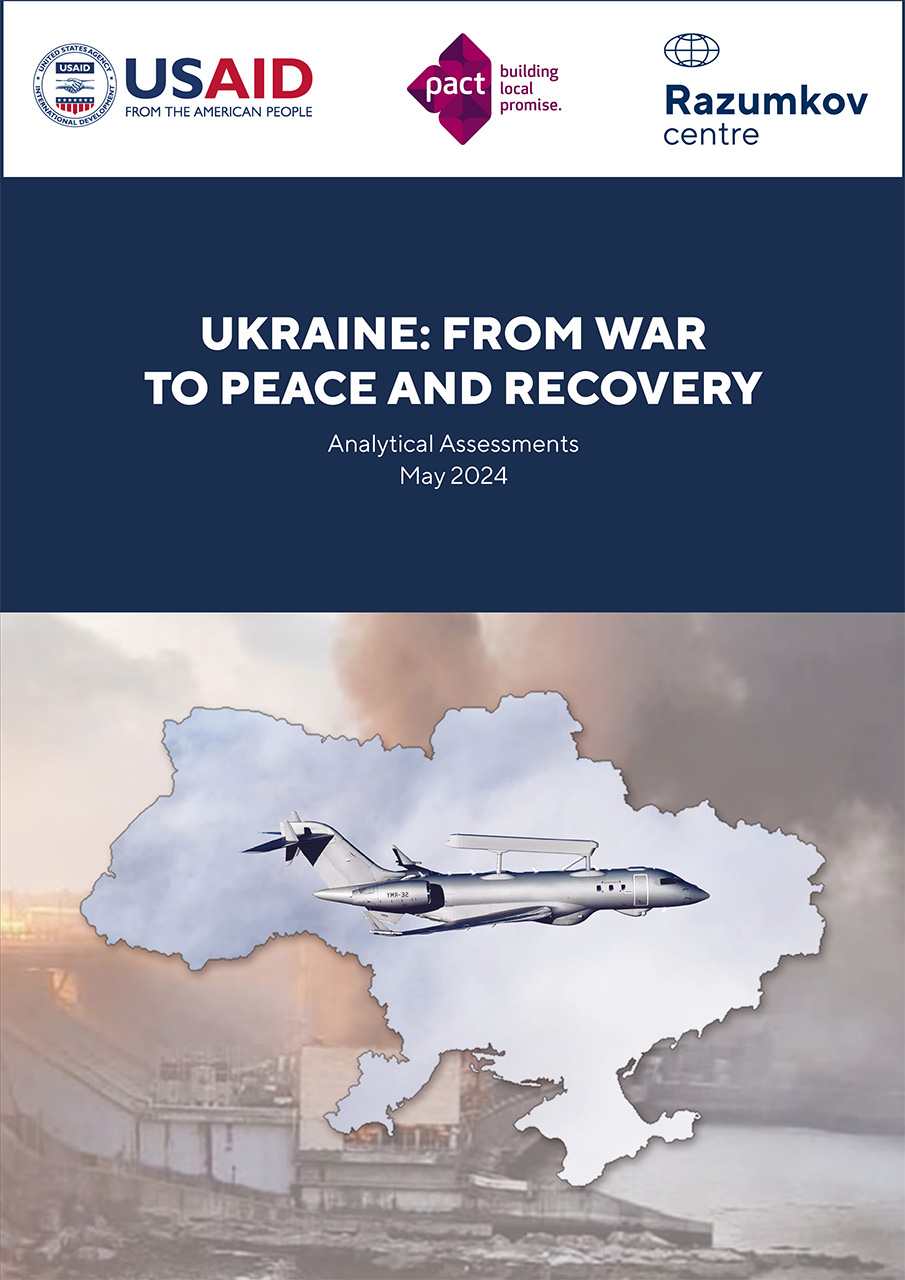
Ukraine: From War To Peace and Recovery (May 2024)
In May 2024, the Russia-Ukraine military confrontation saw an escalation with the expansion of the conflict. Delays in receiving Western military aid and a lack of human resources due to mobilisation issues resulted in the enemy maintaining strategic initiative throughout the theatre and expanding the frontline on the northern border. Although the russian offensive had limited tactical success in the Kharkiv sector, it caused a powerful resonance within Ukraine and internationally.
Ukraine: From War To Peace and Recovery (April 2024)
In April 2024, the situation in the theatre of operations remained difficult, with dynamic changes in the operational and tactical situation and a steady trend towards further aggravation. Russia tried to make the most of the “window of opportunity”, or rather “window of Ukraine’s vulnerability” created by the lack of timely provision of the Ukrainian Defence Forces with human and material resources. Washington’s positive decision to provide American military assistance and Ukrainian parliament’s adoption of necessary legislative changes on mobilisation could not immediately solve the accumulated problems, but probably prompted the russian military and political leadership to intensify offensive efforts.
Ukraine: From War To Peace and Recovery (March 2024)
In March 2024, the situation in the theatre of operations and around the Russia-Ukraine conflict in general did not change much compared to the previous month. Nevertheless, certain March decisions, events and political statements may have a significant impact on the situation in the combat zone and the further progression of the conflict, although they will hardly lead to a fundamental change in the course of the war in the short term.

Ukraine: From War To Peace and Recovery (February 2024)
February 2024 was one of the hardest months of the war for Ukraine. A combination of unfavourable external and internal factors has dealt a “cumulative blow” to Ukraine’s defence capabilities. Although it is currently difficult to objectively assess the potential of the enemy’s offensive, but due to a shortage of ammunition and manpower in the Ukrainian Defence Forces, Russia has gained an upper hand in almost entire land theatre.
Ukraine: From War To Peace and Recovery (January 2024)
In January 2024, there were mainly positional battles along the entire contact line. Despite intense assaults and local successes in many areas, Russian troops did not launch the announced large-scale offensive. Putin’s intentions to end the war “as soon as possible” are obviously constrained by weather factors, and also by material shortages and limited human resource. However, the stalemate is unlikely to last long, as ongoing problems with stable external support for Ukraine could significantly shift the balance of power in Russia’s favour.
Ukraine: From War To Peace and Recovery
In December 2023, the situation in the combat zone did not change much compared to the previous month. Despite the Ukrainian forces’ transition to active defence along almost the entire front line and intensification of russian assault operations and their local successes in many areas, there is currently no evidence of russia gaining the strategic initiative and, accordingly, posing an immediate threat of a large-scale offensive.
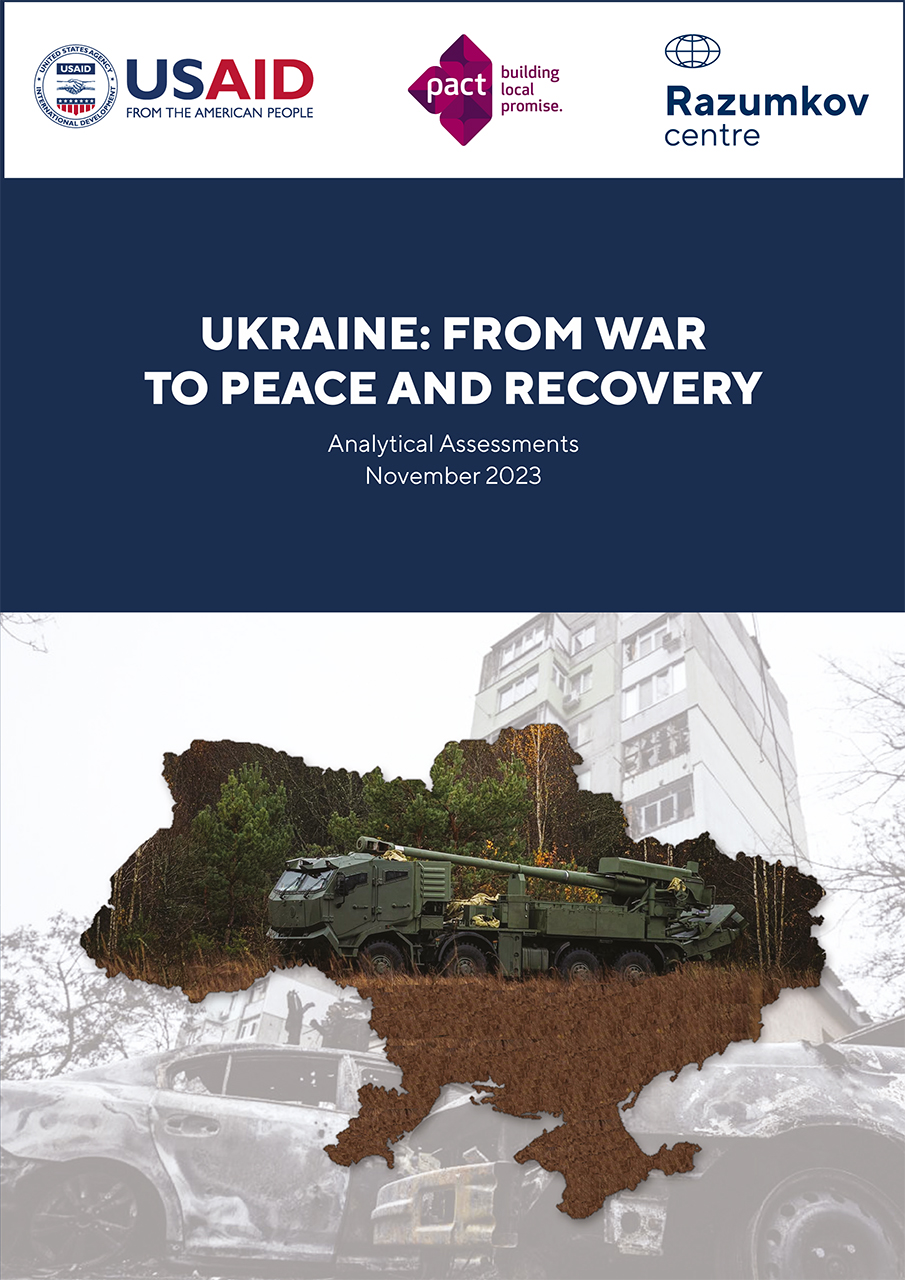
Ukraine: From War To Peace and Recovery (November 2023)
By the end of November 2023, the Russia-Ukraine war had entered another phase described by many observers as a “strategic impasse”, “parity of combat capabilities”, “positional confrontation”, and the like. At present, neither warring party — despite tactical successes in certain areas — has a strategic initiative in the entire theatre of operations.
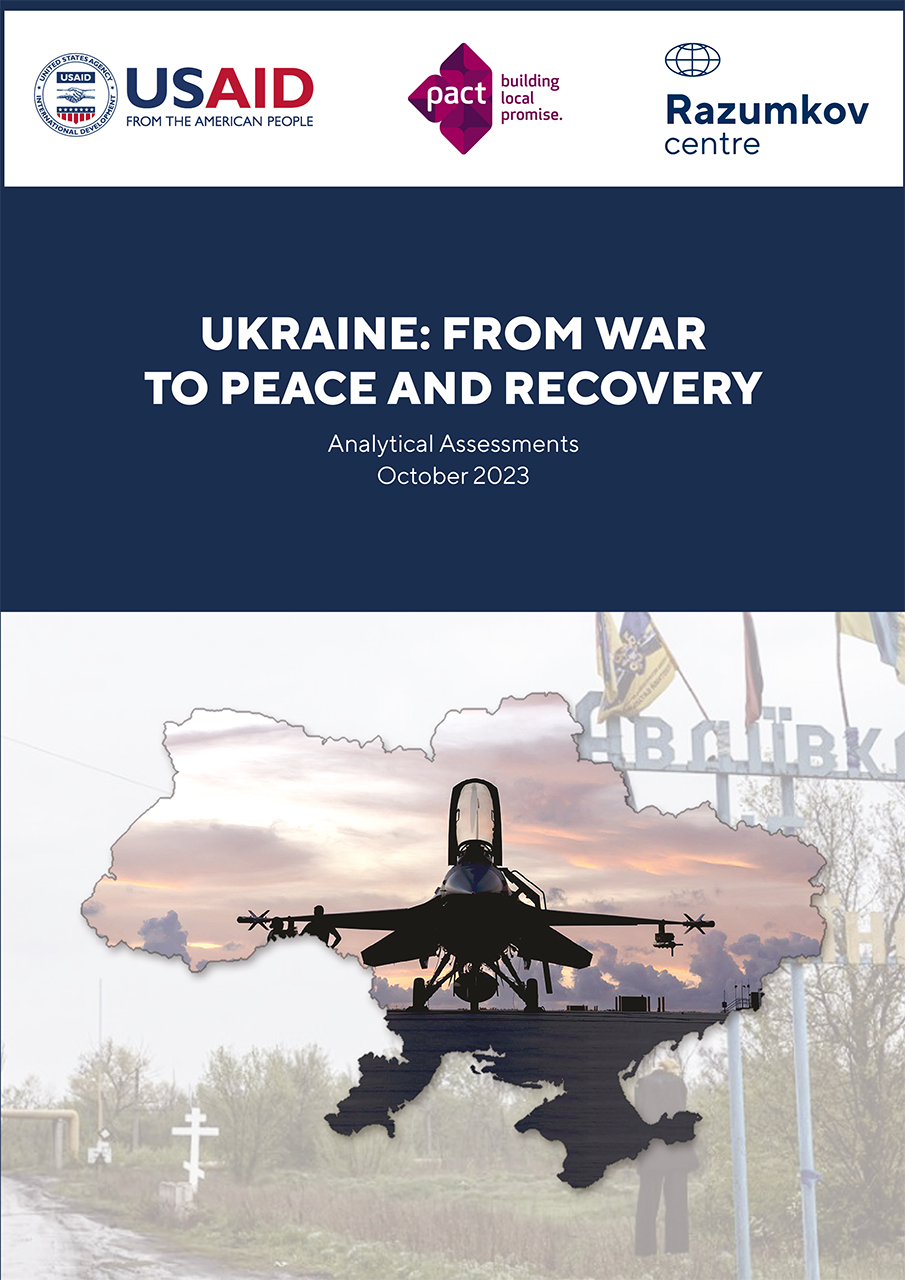
Ukraine: From War To Peace and Recovery (October 2023)
In October 2023, the seasonal factor stimulated rather than restrained the combat activity, but the high intensity of hostilities ended in minor tactical gains with no signi-ficant changes in the overall strategic situation. Various signs suggest the beginning of the war’s another positional phase.
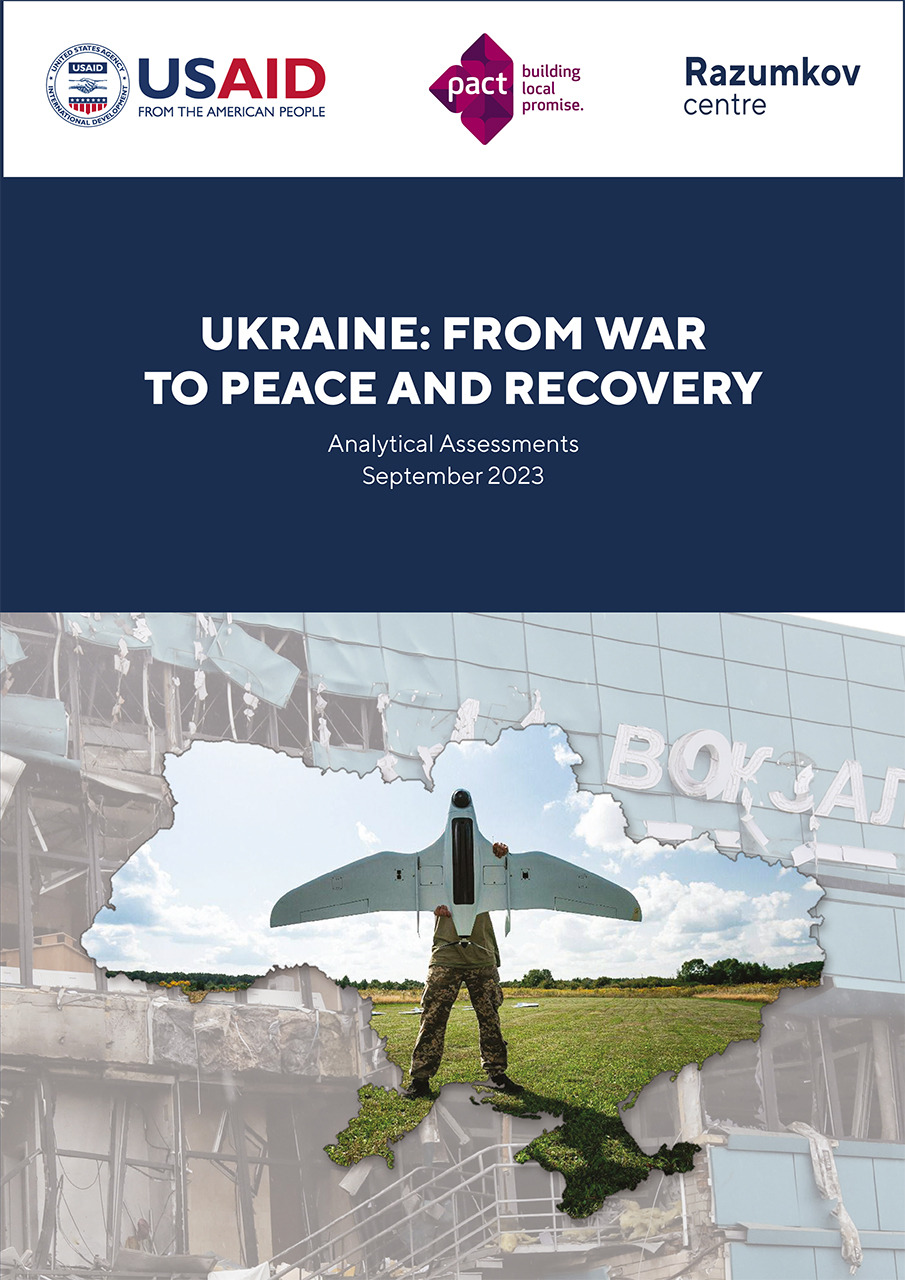
Ukraine: From War To Peace and Recovery
In September, the combat zone expanded, along with increased intensity of attacks on rear targets. Ukraine launched a series of effective strikes against military objectives in the enemy’s deep rear, as well as against maritime targets.
The resulting destruction of a large landing ship and a submarine, several air defence systems, the russian Black Sea Fleet headquarters, as well as regaining of control over the so-called Boyko Rigs within one month significantly undermined not only the enemy’s naval capabilities but also the security of the rear base of its southern group of troops.
At the same time, russia used record-breaking 503 Shaheed strike drone in September, targeting, among others, ports on the Danube River in close proximity to the Romanian border, thus threatening the territory of a NATO member.
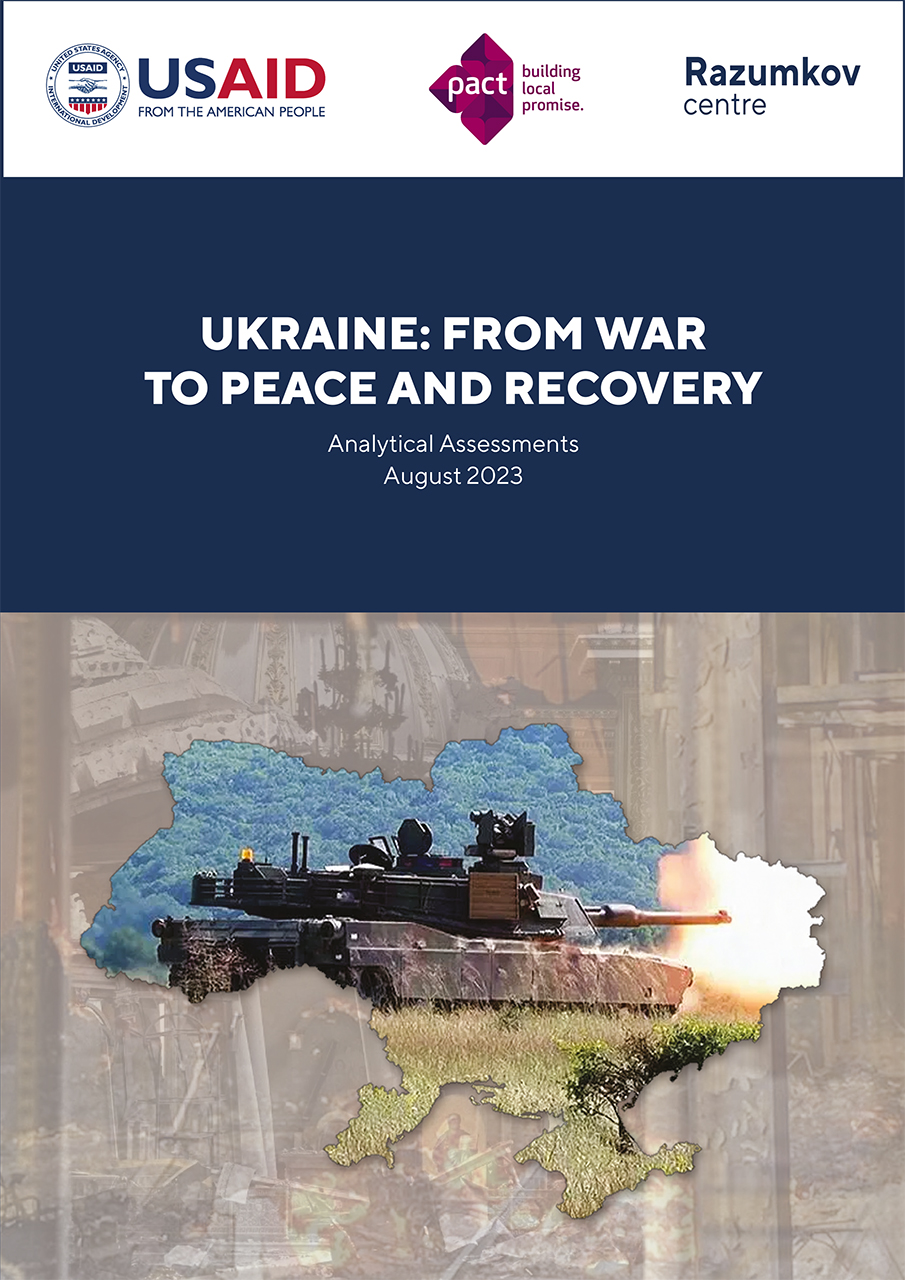
Ukraine: From War To Peace and Recovery
As of the end of August 2023, intense fighting continued along almost the entire front line of about 1,000 km. Ukrainian forces’ tactical advances — relatively small against the scale of the combat zone — still created the preconditions for the operational success of the offensive on the Berdiansk and Melitopol directions, and possibly in the east — in the Bakhmut sector. As a result of its counter-offensive operations on the Lyman and Kupyansk directions, as well as around Avdiivka and Maryinka, the enemy had minor territorial gains, but did not achieve the desired result — seizing the strategic initiative and disrupting the Ukrainian offensive plan in the south.
Ukraine: From War To Peace and Recovery
Two months into extensive hostilities resulted in some tactical changes to the conditional “front line”, with no operational success to either side, at least for now. The Ukrainian defence forces conducted active offensiveт operations mainly on the Berdiansk and Melitopol directions and around Bakhmut.
The enemy, along with active defensive actions, tried to regain the initiative and launch its own offensive towards Lyman and Kupiansk, as well as near Avdiyivka and Maryinka.
Ukraine: From War To Peace and Recovery
After several months of relative stabilisation, the first days of June 2023 saw a significant escalation of action along almost the entire contact line. The Ukrainian Defence Forces launched an active phase of the offensive and achieved tactical successes in the Melitopol, Berdiansk and Bakhmut directions.
As of the end of June, the Ukrainian side held the strategic initiative, while Russian troops were forced to mostly hold the line, also trying to counterattack to disrupt the Ukrainian offensive.
Ukraine: From War To Peace and Recovery (May 2023)
In May 2023, the Russian side gradually lost the initiative and was forced to respond to Ukraine’s actions, not being able to achieve its own operational and strategic goals. May saw the culmination of one of the longest episodes of this war, the Battle of Bakhmut. As expected, Russian troops reaching the western outskirts of the city had no strategic or operational consequences for the overall situation, and the front line remained relatively stable despite the high intensity of hostilities throughout the month.
Ukraine: From War To Peace and Recovery (April 2023)
Despite the relative stabilisation of the front line and the intensity of hostilities, the year of 2023 was extremely eventful in the context of the expected Ukrainian (counter-) offensive.
Practical and informational preparations for the spring-summer campaign have obviously become the dominant factor affecting the strategy of both sides of the conflict, given the extremely high expectations of a potential turning point in the war.
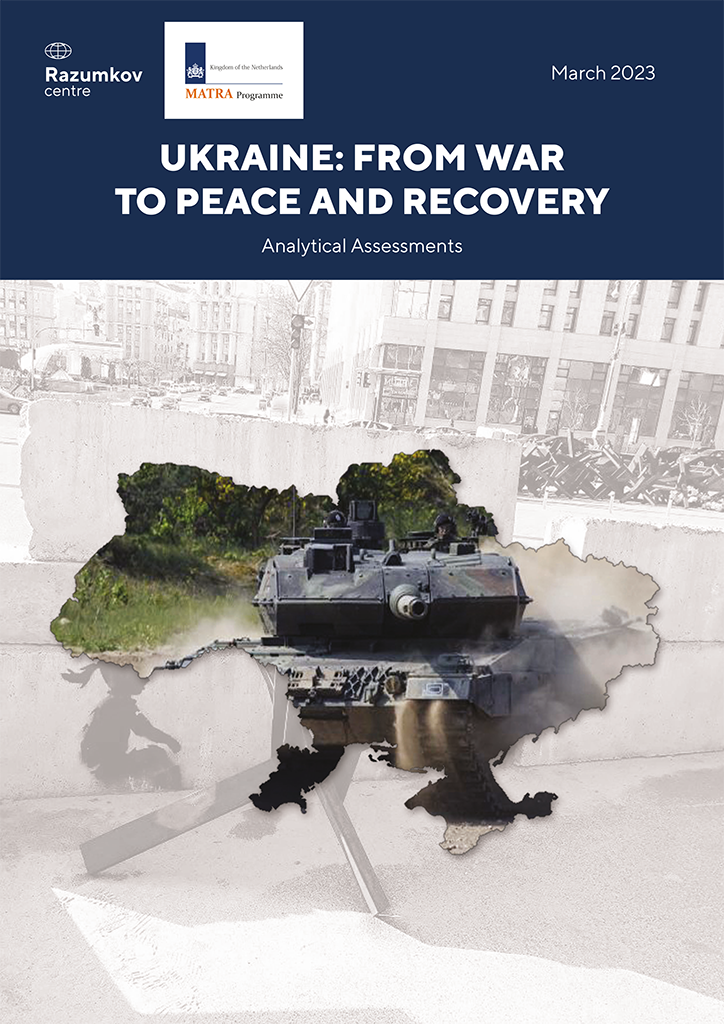
Ukraine: From War To Peace and Recovery (March 2023)
The wait for a Ukrainian counter-offensive became the dominant factor affecting both the battlefield and the political and information space. The absence of any operationally significant territorial gains for Russians in March may confirm assumptions about the serious depletion of Russia’s offensive potential. At the same time, this is more about the assessment of Russia’s military capabilities as of the end of March 2023, rather than its overall ability to wage war in the near future. The wait for a Ukrainian counter-offensive became the dominant factor affecting both the battlefield and the political and information space.
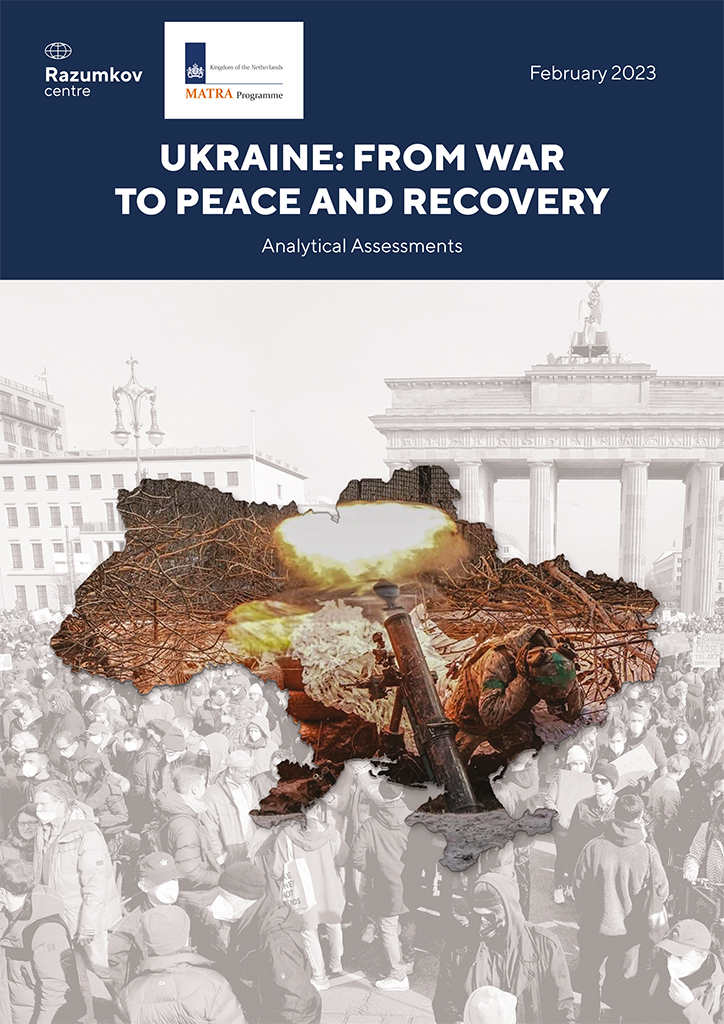
Ukraine: From War
Contrary to expectations, the upcoming anniversary of the Russian invasion had no significant impact on the current situation or the prospects for war. The enemy’s attempts to capture Bakhmut and Vuhledar at the cost of extremely high manpower and equipment losses were unsuccessful, although Russians were still able to partially seize the initiative and force the Ukrainian side to bring in additional reserves to hold their positions.
In the battle for Bakhmut, both sides seem to have pursued the same goal, specifically to restrain and exhaust the enemy’s forces as much as possible, including forces prepared for the the expected offensive.
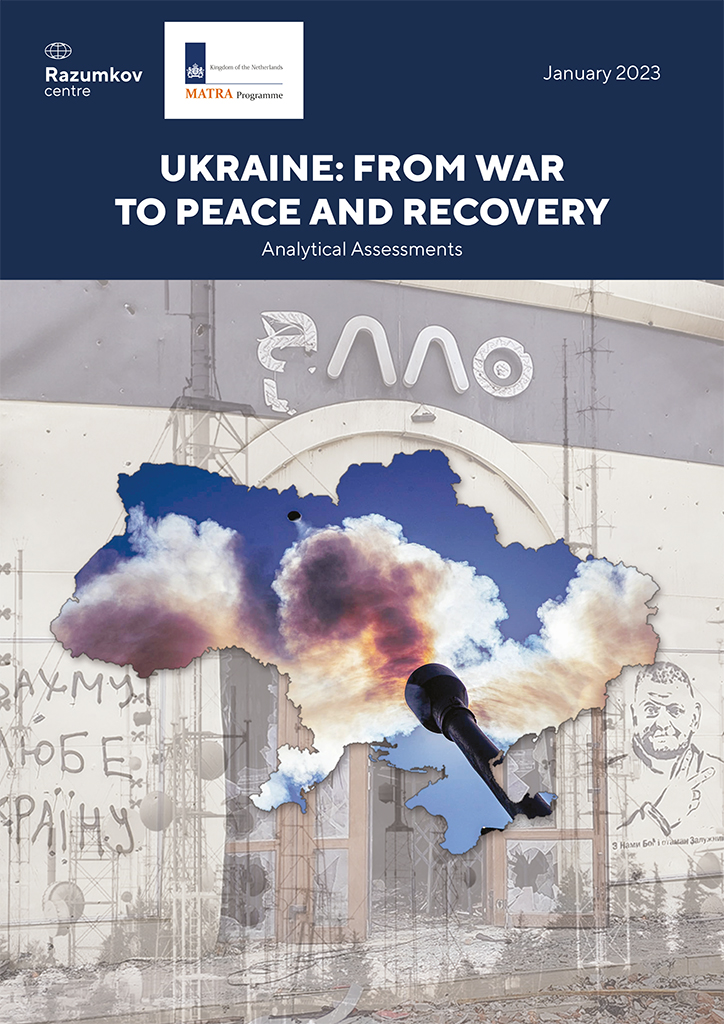
Ukraine: From War
Intense clashes in January 2023 in certain segments of the front did not change the overall situation as of late 2022. The main limiting factors of the warring parties’ ability to conduct offensive operations also remained unchanged, namely the lack (or deliberate limitation) of human and material resources for the offensive and unfavourable weather conditions.
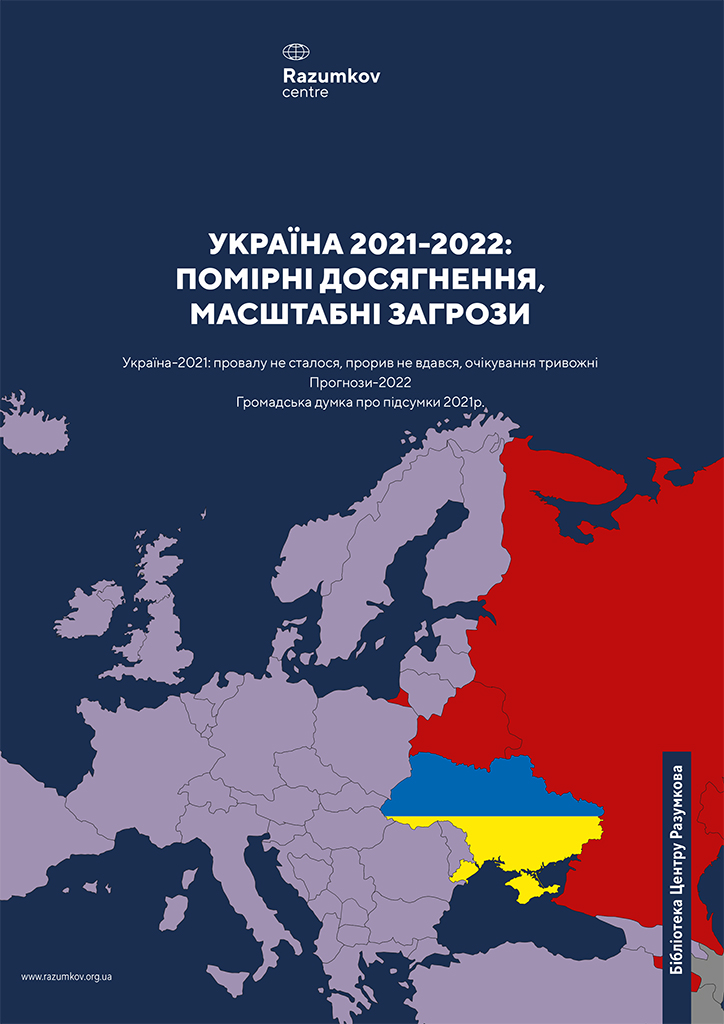
Ukraine 2021–2022: Modest Results, Immense Challenges
Ukraine 2021: No Failure, No Breakthrough, Distressing Expectations
Forecasts for 2022
Public Opinion on the Results of the Year 2021
Україна 2020–2021: невиправдані очікування, неочікувані виклики
Ukraine 2020: Inflated Expectations, Unexpected Challenges, Inertial Motion
Forecasts for 2021
Public Opinion on the Results of 2020